
Technology Title
AI Smart Technology
AI Smart Technology
Project Title
Multipurpose Agriculture Robot
Multipurpose Agriculture Robot
Category
Robotics
Robotics
Authors
usman.baig@cybersoftna.com
usman.baig@cybersoftna.com
Short Description
A Multipurpose Agriculture Robot is an autonomous robotic system designed to perform various tasks in agricultural settings, enhancing efficiency, reducing labor costs, and promoting precision farming
A Multipurpose Agriculture Robot is an autonomous robotic system designed to perform various tasks in agricultural settings, enhancing efficiency, reducing labor costs, and promoting precision farming
Long Description
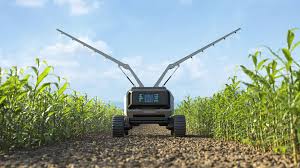
A Multipurpose Agriculture Robot is an autonomous robotic system designed to perform various tasks in agricultural settings, enhancing efficiency, reducing labor costs, and promoting precision farming. The robot's architecture typically consists of a robust and weather-resistant chassis, equipped with advanced navigation and control systems, such as GPS, sensors, and computer vision.The robot's primary functions include crop monitoring, planting, pruning, spraying, and harvesting. It can be equipped with interchangeable toolheads or attachments, allowing it to adapt to different tasks and crops. For instance, a robotic arm with a planter attachment can sow seeds with precision, while a spraying attachment can apply fertilizers or pesticides with pinpoint accuracy.The robot's navigation system utilizes a combination of GPS, lidar, and sensor data to map and traverse the agricultural terrain, avoiding obstacles and ensuring efficient coverage. Advanced algorithms and machine learning techniques enable the robot to analyze data from various sources, such as soil moisture sensors, weather forecasts, and crop health monitoring, to make informed decisions about irrigation, fertilization, and pest control.The Multipurpose Agriculture Robot can be integrated with existing farm management software, enabling seamless data exchange and analysis. This allows farmers to optimize crop yields, reduce waste, and promote sustainable agricultural practices. Furthermore, the robot's autonomous capabilities enable it to operate continuously, reducing labor costs and improving overall farm productivity. Key technical specifications include:* Autonomy level: Level 3-4 (conditional automation to full automation)* Navigation system: GPS, lidar, sensor fusion* Toolheads/attachments: Interchangeable (e.g., planter, sprayer, harvester)* Power source: Battery-electric or hybrid* Communication protocols: Wi-Fi, Bluetooth, CAN bus* Operating environment: Outdoor, weather-resistant (IP67 or higher)* Payload capacity: 10-500 kg (dependent on toolhead/attachment)* Top speed: 10-20 km/h* Operating hours: Continuous operation (up to 24/7)
A Multipurpose Agriculture Robot is an autonomous robotic system designed to perform various tasks in agricultural settings, enhancing efficiency, reducing labor costs, and promoting precision farming. The robot's architecture typically consists of a robust and weather-resistant chassis, equipped with advanced navigation and control systems, such as GPS, sensors, and computer vision.The robot's primary functions include crop monitoring, planting, pruning, spraying, and harvesting. It can be equipped with interchangeable toolheads or attachments, allowing it to adapt to different tasks and crops. For instance, a robotic arm with a planter attachment can sow seeds with precision, while a spraying attachment can apply fertilizers or pesticides with pinpoint accuracy.The robot's navigation system utilizes a combination of GPS, lidar, and sensor data to map and traverse the agricultural terrain, avoiding obstacles and ensuring efficient coverage. Advanced algorithms and machine learning techniques enable the robot to analyze data from various sources, such as soil moisture sensors, weather forecasts, and crop health monitoring, to make informed decisions about irrigation, fertilization, and pest control.The Multipurpose Agriculture Robot can be integrated with existing farm management software, enabling seamless data exchange and analysis. This allows farmers to optimize crop yields, reduce waste, and promote sustainable agricultural practices. Furthermore, the robot's autonomous capabilities enable it to operate continuously, reducing labor costs and improving overall farm productivity. Key technical specifications include:* Autonomy level: Level 3-4 (conditional automation to full automation)* Navigation system: GPS, lidar, sensor fusion* Toolheads/attachments: Interchangeable (e.g., planter, sprayer, harvester)* Power source: Battery-electric or hybrid* Communication protocols: Wi-Fi, Bluetooth, CAN bus* Operating environment: Outdoor, weather-resistant (IP67 or higher)* Payload capacity: 10-500 kg (dependent on toolhead/attachment)* Top speed: 10-20 km/h* Operating hours: Continuous operation (up to 24/7)
Potential Applications
Crop monitoring and management: The multipurpose agriculture robot can be equipped with sensors and cameras to monitor crop health, detect pests and diseases, and provide real-time data to farmers, enabling them to make informed decisions about irrigation, fertilization, and pest control.
Automated harvesting: The robot can be designed to perform various harvesting tasks, such as picking fruits and vegetables, reducing labor costs and increasing efficiency.
Precision farming: The robot can be used for precision farming techniques, such as precision irrigation, fertilization, and pruning, which can help reduce waste and optimize crop yields.
Livestock management: The robot can be equipped with sensors and cameras to monitor livestock health, detect anomalies, and provide real-time data to farmers, enabling them to take prompt action.
Farm maintenance: The robot can be used for various maintenance tasks, such as cleaning and repairing equipment, and performing routine checks on farm infrastructure.
Disaster response and recovery: The robot can be deployed to assess damage, detect hazards, and perform tasks such as clearing debris and restoring critical infrastructure after natural disasters.
Research and development: The robot can be used in agricultural research and development, such as testing new farming techniques, crop varieties, and technologies.
Organic farming: The robot can be designed to perform tasks such as weeding, pruning, and harvesting in organic farming systems, reducing the need for manual labor and chemical inputs.
Greenhouse management: The robot can be used to monitor and manage greenhouse conditions, such as temperature, humidity, and light levels, to optimize crop growth and reduce energy consumption.
Vertical farming: The robot can be designed to perform tasks such as planting, pruning, and harvesting in vertical farming systems, increasing efficiency and reducing labor costs.
Crop monitoring and management: The multipurpose agriculture robot can be equipped with sensors and cameras to monitor crop health, detect pests and diseases, and provide real-time data to farmers, enabling them to make informed decisions about irrigation, fertilization, and pest control.
Automated harvesting: The robot can be designed to perform various harvesting tasks, such as picking fruits and vegetables, reducing labor costs and increasing efficiency.
Precision farming: The robot can be used for precision farming techniques, such as precision irrigation, fertilization, and pruning, which can help reduce waste and optimize crop yields.
Livestock management: The robot can be equipped with sensors and cameras to monitor livestock health, detect anomalies, and provide real-time data to farmers, enabling them to take prompt action.
Farm maintenance: The robot can be used for various maintenance tasks, such as cleaning and repairing equipment, and performing routine checks on farm infrastructure.
Disaster response and recovery: The robot can be deployed to assess damage, detect hazards, and perform tasks such as clearing debris and restoring critical infrastructure after natural disasters.
Research and development: The robot can be used in agricultural research and development, such as testing new farming techniques, crop varieties, and technologies.
Organic farming: The robot can be designed to perform tasks such as weeding, pruning, and harvesting in organic farming systems, reducing the need for manual labor and chemical inputs.
Greenhouse management: The robot can be used to monitor and manage greenhouse conditions, such as temperature, humidity, and light levels, to optimize crop growth and reduce energy consumption.
Vertical farming: The robot can be designed to perform tasks such as planting, pruning, and harvesting in vertical farming systems, increasing efficiency and reducing labor costs.
Open Questions
1. What are the most significant technical challenges that need to be addressed to achieve Level 3-4 autonomy in the Multipurpose Agriculture Robot, and how can they be overcome?
2. How can the robot's navigation system be optimized to ensure efficient coverage and obstacle avoidance in diverse agricultural terrains and weather conditions?
3. What are the key factors that determine the selection of interchangeable toolheads or attachments for specific tasks and crops, and how can the robot's adaptability be maximized?
4. How can the robot's advanced algorithms and machine learning techniques be leveraged to analyze data from various sources and make informed decisions about irrigation, fertilization, and pest control?
5. What are the potential benefits and challenges of integrating the Multipurpose Agriculture Robot with existing farm management software, and how can seamless data exchange and analysis be ensured?
6. How can the robot's autonomous capabilities be utilized to optimize crop yields, reduce waste, and promote sustainable agricultural practices in various farming settings?
7. What are the most promising applications of the Multipurpose Agriculture Robot in precision farming, and how can its capabilities be tailored to meet the specific needs of different crops and farming systems?
8. How can the robot's sensor and camera systems be designed and integrated to enable effective crop monitoring, livestock management, and farm maintenance tasks?
9. What are the potential economic and environmental benefits of deploying the Multipurpose Agriculture Robot in various agricultural settings, and how can its return on investment be maximized?
10. How can the Multipurpose Agriculture Robot be designed and adapted to meet the specific needs of emerging agricultural technologies, such as vertical farming and organic farming?
1. What are the most significant technical challenges that need to be addressed to achieve Level 3-4 autonomy in the Multipurpose Agriculture Robot, and how can they be overcome?
2. How can the robot's navigation system be optimized to ensure efficient coverage and obstacle avoidance in diverse agricultural terrains and weather conditions?
3. What are the key factors that determine the selection of interchangeable toolheads or attachments for specific tasks and crops, and how can the robot's adaptability be maximized?
4. How can the robot's advanced algorithms and machine learning techniques be leveraged to analyze data from various sources and make informed decisions about irrigation, fertilization, and pest control?
5. What are the potential benefits and challenges of integrating the Multipurpose Agriculture Robot with existing farm management software, and how can seamless data exchange and analysis be ensured?
6. How can the robot's autonomous capabilities be utilized to optimize crop yields, reduce waste, and promote sustainable agricultural practices in various farming settings?
7. What are the most promising applications of the Multipurpose Agriculture Robot in precision farming, and how can its capabilities be tailored to meet the specific needs of different crops and farming systems?
8. How can the robot's sensor and camera systems be designed and integrated to enable effective crop monitoring, livestock management, and farm maintenance tasks?
9. What are the potential economic and environmental benefits of deploying the Multipurpose Agriculture Robot in various agricultural settings, and how can its return on investment be maximized?
10. How can the Multipurpose Agriculture Robot be designed and adapted to meet the specific needs of emerging agricultural technologies, such as vertical farming and organic farming?
AI Assistant
1. Definition: A Multipurpose Agriculture Robot is an autonomous robotic system.
2. Purpose: Designed to perform various tasks in agricultural settings.
3. Benefits:
- Enhances efficiency
- Reduces labor costs
- Promotes precision farming
1. Definition: A Multipurpose Agriculture Robot is an autonomous robotic system.
2. Purpose: Designed to perform various tasks in agricultural settings.
3. Benefits:
- Enhances efficiency
- Reduces labor costs
- Promotes precision farming
Keywords
Data
Data
Email
usman.baig@cybersoftna.com
usman.baig@cybersoftna.com